Jamaican Food in Denver: Best Restaurants to Explore This Year
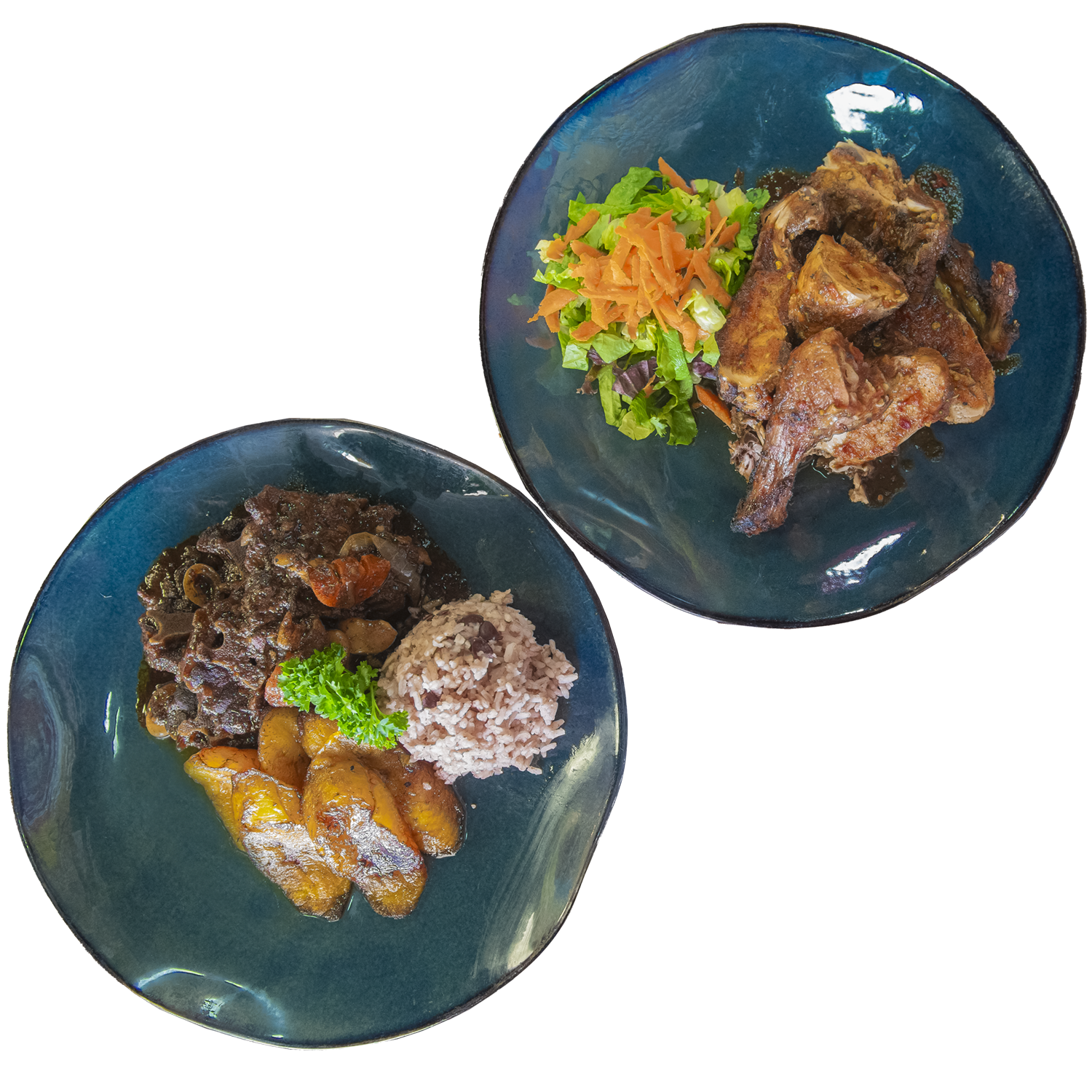
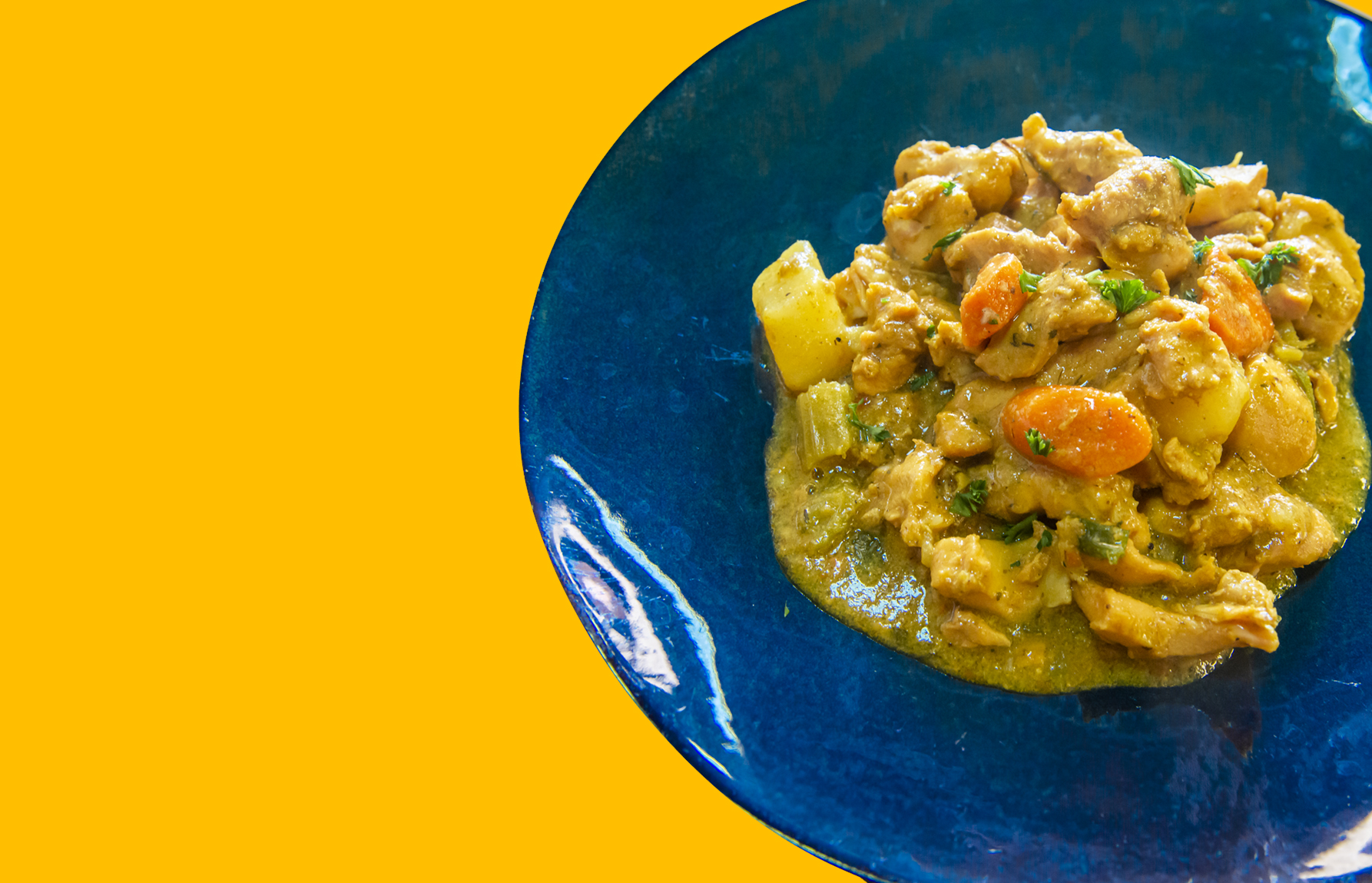
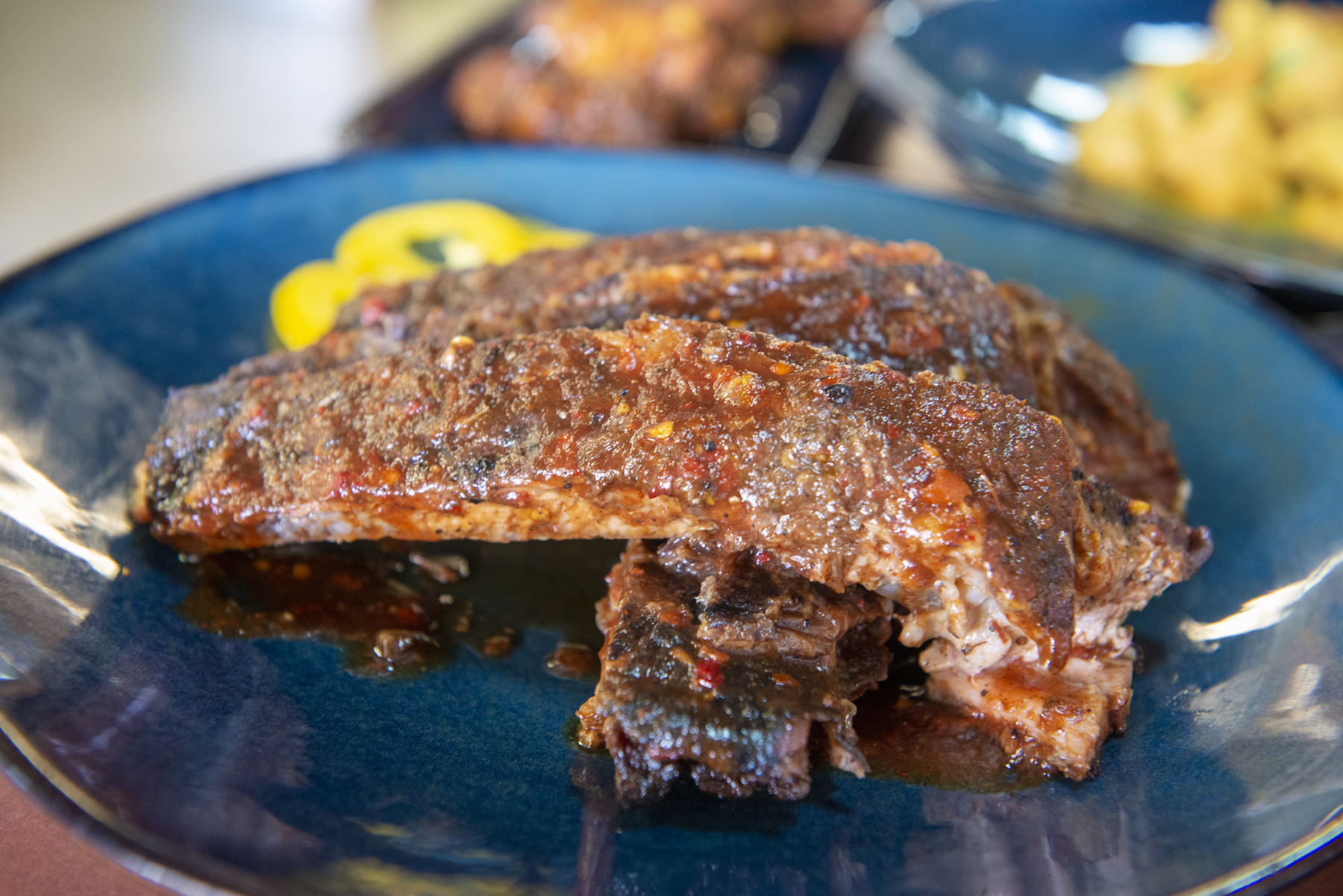
Denver is not the first city most people associate with Jamaican cooking, and that is exactly why the good spots feel so rewarding when you find them. The city’s Caribbean scene is smaller than what you will see in South https://telegra.ph/Why-Jamaican-Food-in-Denver-Is-Worth-Exploring-09-24-2 Florida, Brooklyn, or parts of Toronto, but it has character. The best Jamaican meals around Denver tend to come from places that care less about trends and more about execution: properly seasoned jerk, rice and peas that carry real depth, stewed dishes that taste like they have been given time, and sides that are not treated like an afterthought.
If you are searching for jamaican food denver, it helps to adjust expectations in a useful way. Denver does not have block after block of Jamaican restaurants competing for neighborhood loyalty. What it does have is a scattered but worthwhile group of restaurants, grills, and Caribbean kitchens around the metro area, including nearby suburbs where some of the strongest cooking often lands. That means the best approach is not to chase volume. It is to know what excellent Jamaican food should taste like, then seek out the spots that consistently deliver it.
What follows is a practical guide to the restaurants and styles worth exploring this year, along with a few things seasoned diners pay attention to when judging whether a plate is merely decent or actually memorable.
What sets a strong Jamaican restaurant apart
The first sign is aroma. A serious Jamaican kitchen announces itself before the plate lands. You should smell pimento, thyme, scallion, garlic, Scotch bonnet, ginger, and smoke. Jerk, in particular, is one of the easiest dishes to flatten and one of the hardest to do well. Good jerk is not just hot. It is layered. The heat should rise after the first bite, not punch everything else out of the way.
Texture matters just as much. Oxtail should be tender without collapsing into mush. Curry goat should pull apart but still have structure. Brown stew chicken should taste deep and savory, not sugary or one-note. Rice and peas should be distinct and fragrant, not an anonymous scoop of starch. Fried plantains need enough caramelization to bring sweetness, but not so much that they turn limp and oily.
That might sound exacting, but Jamaican food rewards judgment. It is cuisine built on seasoning, patience, smoke, braising, and balance. When a restaurant gets those fundamentals right, even a simple lunch plate feels substantial.
Reggae Pot Jamaican Grill, a strong place to start
Among the names that regularly come up when people talk about Jamaican food around the Denver area, Reggae Pot Jamaican Grill is one of the more recognizable starting points. Depending on the year and the exact setup, diners often associate it with the southern metro area rather than central Denver proper, which is common in this category. Denver’s Jamaican options are not always concentrated downtown.
What makes a place like Reggae Pot worth the drive is the kind of menu that allows you to test the kitchen from several angles. Jerk chicken tells you whether they understand spice balance and grill character. Oxtail tells you whether they know how to build body into a sauce. Curry goat reveals whether the seasoning reaches the meat or just coats the exterior. If the restaurant offers patties, coco bread, or a good plate of escovitch fish, those are useful benchmarks too.
In my experience, the best Jamaican restaurants in smaller scenes often shine through generosity and steadiness rather than polish. Service may be warm but not hurried. The room may feel casual. The important question is whether the food tastes like somebody is cooking with conviction. That is usually where a place like Reggae Pot earns its following.
If you go, order with a little range. Pair one grilled item with one braised item. It is the quickest way to understand the kitchen’s strengths.
Denver’s Caribbean overlap matters more than people think
One thing that trips up newcomers is the line between “Jamaican” and “Caribbean” on Denver menus. In cities with larger immigrant communities, those distinctions can be sharper because there are enough restaurants to specialize narrowly. In Denver, the overlap is often part of the landscape. Some of the best spots may present themselves as Caribbean grills or island kitchens while serving a solid mix of Jamaican staples.
That is not a compromise if the cooking is good. In fact, it is often where the city gets interesting. A Caribbean restaurant in Denver may offer jerk chicken beside Trinidadian sides, or pair braised meats with dishes that reflect several islands. If you are strictly searching for jamaican food denver options, do not dismiss these hybrid menus too quickly. Some of the strongest jerk in the metro can come from places that are broader in scope.
The practical takeaway is simple. Judge the plate, not only the label on the storefront.
What to order first if you want a fair read on a restaurant
There are dishes that tell you a lot, fast. If I only had one visit to judge a Jamaican kitchen in Denver, I would focus on a few standards that expose shortcuts immediately.
- Jerk chicken
- Oxtail
- Curry goat
- Rice and peas
- Beef patty
Jerk chicken reveals whether the seasoning is deeply worked into the meat and whether the grill or oven is doing any real heavy lifting. Oxtail shows patience and stock work. Curry goat can expose blandness faster than almost any other dish. Rice and peas looks simple but often separates careful restaurants from careless ones. A beef patty, when available, is the sleeper test. Good pastry and a well-seasoned filling say a lot about attention to detail.
Why jerk is the dish most often misunderstood
Jerk is famous enough now that many diners think they know what it should be, but outside Jamaica it often gets simplified into “spicy grilled chicken.” That is only part of the story. Traditional jerk carries smoke, allspice, herbs, chiles, and savory depth. It should be bold without becoming monotone.
In Denver, where restaurants have to adapt to local supply chains, weather, and equipment, jerk can vary widely. Some kitchens lean hard into sweetness because it reads well to broad audiences. Others mute the heat to avoid frightening cautious diners. Neither move is automatically wrong from a business standpoint, but both can leave the food feeling less alive.
The best versions keep the aromatic profile intact. You taste the pimento and thyme. You get char. You feel heat, but it builds around the savory notes instead of replacing them. That is the version worth chasing.
If you care about authenticity, it also helps to ask a simple question when ordering: is the jerk done on the grill, roasted, or stewed into the sauce? Not because one answer is always superior, but because the result changes dramatically. A grilled version can deliver smoke and crisp edges. A wetter style may trade some char for stronger marinade penetration. Knowing which one a restaurant serves prevents the disappointment that comes from expecting one thing and getting another.
Oxtail is often the real test of the kitchen
People love to talk about jerk, but seasoned regulars often judge a Jamaican restaurant by its oxtail. There is nowhere to hide with it. The meat needs enough time to soften properly, and the sauce has to carry richness without becoming greasy or muddy. Done well, oxtail is one of those dishes that quiets a table for a minute because everyone is too busy paying attention.
In a city like Denver, where rent, labor, and ingredient costs are real pressures, oxtail also reveals a restaurant’s priorities. It is not a cheap menu item to offer. When a kitchen still treats it carefully, with good browning, proper braise, and balanced seasoning, that usually signals broader seriousness across the menu.
This is also where side dishes matter. Oxtail with underseasoned rice and peas feels incomplete. Oxtail with bright cabbage, a little gravy, and rice that can actually carry the sauce becomes the plate people remember.
The side dishes separate decent meals from complete ones
A lot of first-time diners focus on the protein and ignore the rest. That is a mistake. Jamaican meals are composed, not assembled. The rice, peas, cabbage, plantains, festival, and patties all play a role in the overall experience.
Plantains should be sweet enough to contrast with savory meats, but they should still hold shape. Cabbage should bring freshness and a little relief, especially on heavier plates. Festival, if offered, adds a lightly sweet, fried element that can make a spicy meal feel more balanced. Even a simple cup of sauce matters. Some restaurants send out jerk with a watery side cup that tastes mostly of bottled heat. Others make sauces that deepen the dish with real spice and aromatic complexity.
This is why two restaurants can serve the same named entrée and produce entirely different experiences. One gives you a tray of protein with filler. The other gives you a plate where every component belongs.
Look beyond downtown, the strongest meals often sit in the metro edges
Anyone serious about finding good jamaican food denver should be willing to drive a bit. This is not unique to Jamaican cuisine. Denver’s metro area often pushes some of its best culturally specific food into neighborhoods and suburbs where operators can find workable rents and stable customer bases. Aurora, Lakewood, and the southern metro have all rewarded diners willing to leave the central core.
That matters because people often make the mistake of searching only within a few miles of downtown hotels or apartment towers. If they do, they may come away saying Denver has no real Jamaican food. Usually what they mean is that they searched too narrowly.
Some of the most satisfying meals in this category come from casual spaces that do not advertise heavily and may keep shorter hours than trendier restaurants. They survive on repeat business, family networks, and word of mouth. If a place has been around despite modest visibility, pay attention. Longevity usually means the food is doing the talking.
A note on patties, lunch counters, and low-key wins
Not every Jamaican craving needs a full dinner plate. One of the pleasures of exploring a smaller food scene is finding the modest items that locals rely on. A good patty, especially if paired with coco bread, can rescue a weekday lunch. It also tells you whether a restaurant understands seasoning in compact form. Too often patties outside major Caribbean hubs taste generic, as though the filling came from an industrial freezer and the pastry from a separate supplier. When you find one that tastes lively and balanced, it is worth remembering.
Lunch counters and takeout windows deserve attention too. Jamaican food travels surprisingly well, particularly braised dishes. Oxtail, curry goat, and brown stew chicken can remain excellent after a short ride home, sometimes even better once the flavors settle. Jerk is a little less forgiving because steam can soften the exterior, but if the seasoning is strong enough the meal still lands.
This matters for Denver because some of the better Caribbean kitchens are set up for takeout as much as dine-in service. Do not mistake that for lower quality. In many cases it reflects where the business actually thrives.
How to order if you are new to the cuisine
Newcomers sometimes hesitate because Jamaican menus can feel unfamiliar beyond jerk chicken. The best move is to order across styles instead of trying to find the “safest” dish. A table that shares one grilled entrée, one braised entrée, one starch, and one side learns much more than a table that orders three versions of chicken.
If you eat beef, goat, or oxtail, take the opportunity. Those dishes showcase the range of the cuisine. If you prefer fish, ask whether the kitchen has escovitch or another prepared seafood option that day. Specials can be revealing, especially at places where the regular menu stays concise.
Heat tolerance is another practical issue. Ask questions, but do not assume every Jamaican dish is fiery. Good kitchens know how to season broadly, not just aggressively. The point is flavor first, heat second.
What Denver still lacks, and why that is useful to know
Denver’s Jamaican scene is improving in visibility, but it still lacks the sheer density that makes other cities feel effortless. You may not find several late-night spots within ten minutes of each other. You may see menus that trim depth for broad appeal. You may run into shorter operating hours, temporary closures, or service rhythms shaped by small-staff realities.
That is not a reason to give up on the category. It is a reason to approach it intelligently. The reward for doing so is that when you find the right place, it tends to feel personal. The food is not trying to please everyone. It is trying to satisfy the people who know what it should be.
That difference shows up in little ways. The gravy is darker. The cabbage has bite. The plantains are actually ripe. The portions make sense for the price. The person at the counter has clear opinions about what is selling well that day, and those opinions are usually worth hearing.
A practical way to plan your search this year
Because Denver’s restaurant landscape can shift, especially among independent operators, it helps to approach your search with a little strategy rather than relying on a single viral recommendation. Menus change. Restaurants move. A beloved truck becomes a brick-and-mortar, or the reverse. Current hours matter more here than in big established food corridors.
Use this simple approach when deciding where to go next.
- Check the current menu and business hours before you leave
- Look for photos of complete plates, not just isolated jerk chicken
- Prioritize places offering both jerk and slow-braised dishes
- If the restaurant is outside central Denver, treat that as a good sign, not a drawback
- Ask what the house specialty is when you arrive
Those five habits save time and make the search more rewarding. They also help you filter out places that market island flavor better than they cook it.
The best meal may not come from the most polished room
One lesson that comes up again and again in regional Caribbean dining is that atmosphere can be a poor predictor of quality. A sleek room with tropical branding may serve food that tastes timid. A humble strip-mall restaurant may produce a plate with more depth, care, and cultural confidence than anything in a trend-forward neighborhood.
That is especially true with Jamaican food. This cuisine does not need theatrical presentation. It needs heat, time, proper seasoning, and cooks who understand when a dish is ready. The result should feel generous and grounded, not stylized.
For Denver diners, that means valuing substance over scene. If a restaurant has a reputation for long prep times, that can be a sign that the kitchen is cooking to order or handling small batches carefully. If the room is plain but the regulars keep coming back for the same two or three dishes, pay attention. Repeat business tells the truth.
Where the category seems headed
Denver’s appetite for regional and diaspora cuisines has grown steadily over the past several years, and Jamaican food stands to benefit from that wider curiosity. Diners are more willing now to seek out neighborhoods beyond their usual circuits and to try dishes that are not already built into the mainstream fast-casual vocabulary. That shift matters. It creates room for restaurants to keep traditional items on the menu instead of flattening everything into boneless jerk bowls.
If the city continues in that direction, the most exciting growth may come from small operators, weekend pop-ups, and cross-over Caribbean businesses that decide to lean harder into Jamaican cooking because the response is there. That tends to be how these scenes mature. Not all at once, and not through a corporate rollout. Through a handful of kitchens proving that the audience exists.
For now, the smartest way to explore Jamaican food in Denver is to start with the known names that have earned local trust, keep your search broad across the metro, and order with curiosity. When the seasoning is right and the plate is built with care, Denver can absolutely deliver a Jamaican meal worth the trip.
Reggae Pot Jamaican Grill
Address: 2243 S Monaco St Pkwy #104, Denver, CO 80222
Phone number: +17204102956
FAQ About Jamaican Food Denver
What is typical Jamaican food?
Typical Jamaican food features bold, vibrant flavors created by blending African, Taino, European, and Asian influences.
What is a famous Jamaican dish?
Ackee and saltfish is Jamaica's national dish, made by sautéing the soft local ackee fruit with salted cod, onions, tomatoes, and spicy Scotch bonnet peppers.
What food is most popular in Jamaica?
The most popular and famous food in Jamaica is Jerk Chicken, celebrated worldwide for its smoky, spicy flavor.